Check License for an Locksmith Orlando FL
When you need a locksmith fast, a quick verification routine keeps small mistakes from becoming expensive problems. Experience on service calls taught me the few red flags and clear signs of a reliable locksmith. In one typical call I learned it pays to confirm identity before the worker arrives, and you can start that check online by visiting locksmith unit, which offers clear company listings and contact details to cross-check against what a caller says mid-transaction. The next sections give a tested checklist so you can pick a trustworthy locksmith without a second guess.
Why verification protects your home and wallet.
Hiring the first caller who answers your search risks property damage or theft, intentional or not. When a locksmith carries insurance and a license, you have financial and legal recourse if something goes wrong. Practical hiring is about balancing how fast you need help against how much proof you require.
Immediate checks to run before the locksmith leaves your search results.
Get the caller’s name and company and then confirm those details on the company website or directory. When someone claims to represent a known franchise, the company directory or corporate site should list the local number as a match. If you find discrepancies, ask clarifying questions and consider calling the company back using the number on the website rather than the caller’s ID.
Licensing and insurance are quick facts that lower risk.
Where licenses are required, they reduce the chance of untrained people performing invasive work. An insured locksmith will give you the insurer and policy number without hesitation; jot those down to confirm later. A refusal to provide license or insurance information is a strong reason to refuse service and seek another company.
Confirm identity in person before letting any work start.
Make it a rule to ask for a driver’s license or other photo ID when someone arrives and compare it to the caller’s name. Also inspect the vehicle for company logos, proper signage, and tools consistent with professional work rather than a random van with no markings. If the ID does not match the booking name or the vehicle looks improvised, decline service and call a verified company instead.

Reviews are useful, if you know how to read them.
Look for detailed reviews that describe similar jobs and mention price transparency and workmanship rather than just star ratings. Check multiple platforms and watch for repeated language that suggests fake reviews, such as the same phrase across dozens of entries. Companies that acknowledge issues and offer fixes in public replies show they will stand behind their work.
Good questions reveal whether the technician knows the work and has the right tools.
Describe the problem and ask which tools or methods they would expect to use, and take note if the answer is vague or evasive. Clear pricing up front reduces the chance of surprise fees and shows a firm has an internal pricing policy. Lowball quotes can precede upsells or poor workmanship, so treat unusually cheap offers with skepticism.
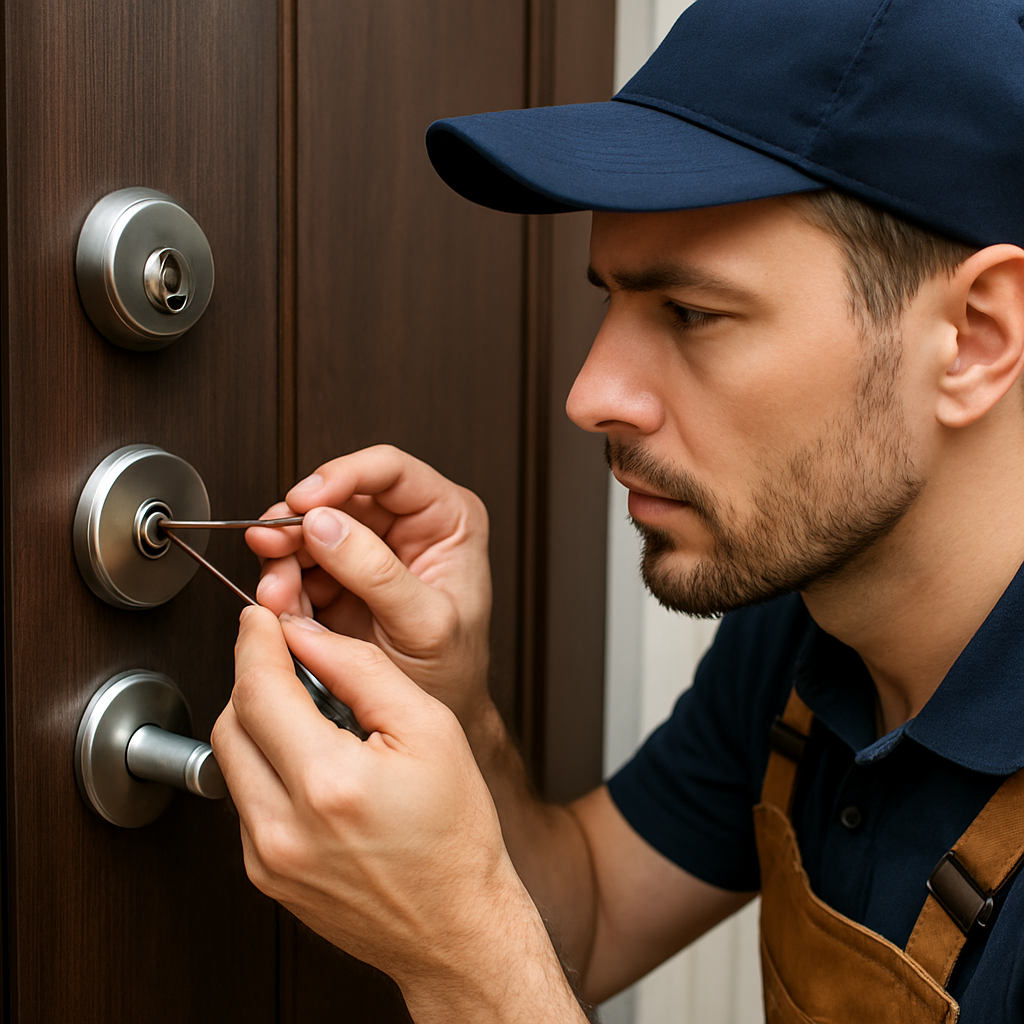
A few photos and a note with the technician’s name and time are useful later.
Photos of the pre-work condition and a record of the technician’s name and arrival time help if you need to claim on insurance later. Ask for a written receipt that lists parts, labor, and any warranties; do not accept only cash and no paperwork. Escalating in writing creates a paper trail that is hard to dismiss and often prompts a timely remedy.
Situations where verification is not enough and you must escalate.
Any sign of coercion, threats, or evidence of criminal intent should trigger a police call right away. If there is significant damage, your insurer can guide the claim process and may pursue subrogation against the provider. Forgery or impersonation is a criminal matter and should be reported to the police, with copies of any suspicious documents.

A condensed action list for field use when time is short.
Get the caller’s name and company, match those to an online listing, request proof of insurance, validate the onsite ID, and document the job with photos and a receipt. When a verification step comes up short, choose safety and call a second option before handing over keys. Keep a local backup list of two or three vetted locksmiths so you are not forced to hire the first unknown caller again.
When you should pay more for a known, reliable company.
Paying a bit more to a documented, insured locksmith is often cheaper long term than repairing damage from a low-cost but unvetted technician. A high quote without explanation deserves scrutiny, and asking for a breakdown often brings the price into line. For routine work, schedule a non-emergency appointment with a local company you can check thoroughly rather than using an unvetted emergency caller.
Practical ways to reduce risk on the next call.
Save the contact info of at least two trusted locksmiths in your phone and note when you last used them and whether they delivered on their promises. If you encountered a problem, file a complaint with the consumer protection office and keep your photos and receipts ready for the insurer. Make the verification steps a habit so they are smart key fob replacement second nature during stressful moments, and keep your documentation steps simple and quick.